
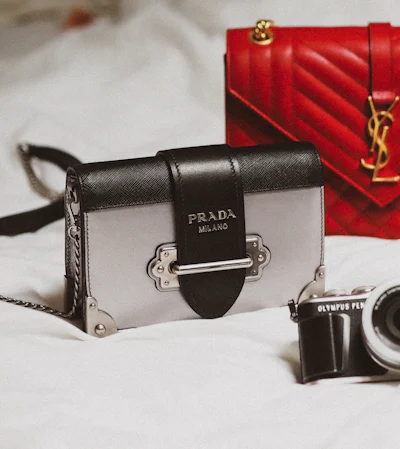
There is a difference between a designer handbag that commands attention today and one that still matters years later. The designer handbags that hold their value tend to possess something more enduring: recognisable design, disciplined craftsmanship, strong house heritage and a secondary market willing to reward scarcity. For collectors, the question is therefore not simply which bag is fashionable, but which bags have demonstrated the qualities that can preserve desirability beyond a single season.
That distinction matters in 2026. The modern handbag market has become increasingly sophisticated, with established resale platforms, auction houses and specialist dealers providing more visibility into what buyers are prepared to pay after the original purchase. Rebag’s 2025 Clair Report, for example, placed Hermès at the top of its brand value index, with Goyard also positioned strongly relative to original retail pricing.
Yet resale performance should never be mistaken for a guarantee of appreciation. Condition, size, colour, material, provenance, production year and market timing can materially change the outcome. A handbag may be iconic without being particularly liquid, while a comparatively understated reference can prove more resilient because collectors consistently seek it.
For readers exploring the broader world of Luxury Fashion, Emmanuel Noir approaches the subject from the perspective of craftsmanship, heritage and long-term desirability rather than seasonal speculation.
Quick Reference: Designer Handbags That Hold Their Value
| House | Key handbag references | Collector appeal | Value-retention profile |
|---|---|---|---|
| Hermès | Birkin, Kelly | Exceptional heritage, craftsmanship and scarcity | Exceptional |
| CHANEL | 2.55, Classic 11.12 | Iconic design language and enduring recognition | Strong |
| Louis Vuitton | Speedy, Neverfull and selected limited editions | Heritage, global liquidity and broad recognition | Strong for selected references |
| Goyard | Saint Louis, selected structured and special-order pieces | Discretion, heritage and controlled distribution | Strong for selected references |
| Dior | Lady Dior | Cultural history, distinctive construction and enduring design | Strong for selected references |
| Fendi | Baguette | Fashion history, collectability and extensive variations | Selective but compelling |
| Other independent and heritage houses | Selected archival and limited references | Rarity, provenance and specialist demand | Highly dependent on reference |
This table should be read as a collector’s starting point rather than an investment ranking. No handbag retains value uniformly across every size, material, colourway or production year.
Hermès occupies a category of its own. The Birkin and Kelly combine recognisable silhouettes with extensive leather options, hand craftsmanship and decades of cultural relevance. Hermès states that its bags are handcrafted in France, while its description of Kelly construction details the assembly of roughly forty leather pieces and the use of traditional saddle stitching.
CHANEL follows a different formula. The house’s 2.55, introduced by Gabrielle Chanel in 1955, established the quilted construction, flat-link chain and Mademoiselle clasp that became central to the brand’s handbag language.
The strongest references from Louis Vuitton, Goyard, Dior and Fendi demonstrate another important principle: heritage alone is not enough. The particular model, its production history and the strength of demand in the secondary market all influence long-term performance.
Key Specifications: Designer Handbags That Hold Their Value
When evaluating designer handbags that hold their value, collectors should examine more than the name printed on the front.
Heritage and design recognition
The strongest candidates usually have an identifiable silhouette that can be recognised without relying heavily on seasonal branding. The Birkin, Kelly, 2.55, Classic 11.12 and Lady Dior each possess distinctive visual signatures that have remained legible across generations.
That continuity matters because collectible objects depend on recognition. A design that survives repeated reinterpretation can remain relevant even as surrounding fashion changes.
The Lady Dior provides a particularly clear example. Dior traces the bag’s modern identity to September 1995, when Princess Diana received a Dior handbag during a visit to Paris. Her subsequent appearances with the design helped establish its enduring name and cultural significance.
Construction and materials
Craftsmanship can influence both durability and desirability.
Hermès offers perhaps the clearest example. Its leather artisans use saddle stitching and traditional construction methods, while the house emphasises the individual skill involved in assembling its handbags.
CHANEL takes a different approach with the 2.55. The house describes the handbag as being sewn like a garment, from the inside out, following principles established by Gabrielle Chanel in 1955.
The distinction is important. A handbag intended to remain desirable for decades needs more than an attractive exterior. Structural integrity, material quality, repairability and the ability to age gracefully can all influence the ownership experience.
Scarcity and availability
Scarcity can strengthen demand, but artificial rarity should not automatically be interpreted as collectability.
The strongest long-term examples tend to combine restricted availability with an established cultural position. Hermès is the clearest case, but scarcity can also emerge from discontinued colours, unusual materials, limited editions and historically significant collaborations.
Collectors should therefore distinguish between rare and desirable.
A bag can be difficult to find because few people wanted it. Another can be difficult to find because collectors actively seek it. Only the second condition creates the kind of scarcity that matters to a secondary market.
Condition and provenance
Condition becomes increasingly important as a handbag moves from fashion purchase to collectible object.
Corners, handles, glazing, hardware, interior staining, odour and structural deformation can all affect desirability. Original accessories, receipts, packaging and documented provenance may also strengthen buyer confidence, particularly for important or older references.
This is why the best handbags that hold their value are often the ones that have been owned carefully rather than simply stored indefinitely. A well-maintained handbag with evidence of responsible ownership can present a more compelling proposition than an allegedly untouched example with uncertain authenticity or provenance.
Model selection
The house is only the beginning of the analysis.
Within the same brand, one model may have a far stronger secondary market than another. Even within an iconic model, size, colour, leather and hardware can create substantial differences in demand.
For a collector, the hierarchy should therefore be:
House → model → reference → material → colour → condition → provenance → market timing.
That sequence is more useful than simply asking which designer makes the most valuable handbags.
Historical Background: Designer Handbags That Hold Their Value
The modern collectible handbag emerged from a long relationship between fashion, craftsmanship and celebrity culture. Handbags were once primarily functional objects. Over time, certain designs became signatures of the houses that created them, then cultural symbols in their own right.
Hermès provides the most compelling historical case.
The Kelly predates its modern name by decades. Hermès states that Robert Dumas designed the original bag in the 1930s, before a 1956 photograph of Grace Kelly carrying it transformed its cultural trajectory. The house subsequently named the bag after the Princess of Monaco.
The Birkin arrived later, in 1984, following a chance encounter between Jane Birkin and Jean-Louis Dumas aboard a flight from Paris to London. Hermès describes how Dumas sketched a spacious, supple holdall intended around Birkin’s practical needs.
These origins reveal something important about collectible handbags. Their value is rarely created by design alone. It develops through the interaction of design, craftsmanship, personality, cultural history and scarcity.
CHANEL and the Rise of the Modern Icon
CHANEL’s 2.55 followed another path. Gabrielle Chanel created the handbag in 1955, introducing a shoulder strap that reflected her practical approach to dressing while establishing the quilted pattern, chain and clasp that remain central to the design. CHANEL describes the 2.55 as its first handbag and continues to produce the model today.
The Lady Dior demonstrates the power of cultural association in a later generation. Introduced into Princess Diana’s public wardrobe in 1995, the handbag quickly acquired an identity extending beyond the product itself. Dior continues to describe the Lady Dior as an enduring icon, with production carried out in its Italian workshops by specialised artisans.
Fendi’s Baguette represents yet another stage in handbag history. Created in 1997, the house describes it as the first “It” bag, defined by its compact underarm silhouette and extraordinary variety of materials, embellishments and editions.
Its importance lies partly in its ability to move between fashion and collecting. Unlike the relatively restrained visual language of a Birkin or Kelly, the Baguette has repeatedly embraced embroidery, beads, unusual textiles and limited treatments. That breadth creates opportunities for specialist collectors, although it also means that not every Baguette carries the same secondary-market strength.
When Fashion Becomes Collecting
The historical lesson is clear.
The designer handbags that hold their value most convincingly are rarely those that merely dominate a single season. They are the bags that accumulate meaning over time.
A recognisable silhouette helps. Exceptional materials matter even more. Craftsmanship provides another layer of endurance. Celebrity association can accelerate cultural relevance, while scarcity can intensify demand. The most resilient handbags, however, combine several of these forces without becoming dependent on any one of them.
That is why a collector should approach the handbag market differently from a conventional fashion purchase. The question is not simply, Will people want this bag next year?
It is whether the object has enough identity, provenance and enduring relevance to remain desirable when today’s fashion cycle has become history.
Design & Craftsmanship: Designer Handbags That Hold Their Value
The most enduring handbags rarely announce their quality through excessive decoration. Their distinction is usually found in proportion, construction and the quiet precision of details that remain compelling after the novelty of a new collection has disappeared.
For collectors, craftsmanship matters because it influences two forms of value simultaneously. It can determine how well a handbag survives years of use, while also reinforcing the narrative that makes the object desirable in the first place.
Hermès: construction as identity
Few houses demonstrate this more clearly than Hermès.
The Birkin and Kelly are constructed by hand in Hermès workshops, with each bag passing through the hands of an individual artisan. The house’s saddle-stitching tradition remains central to its leatherwork, with two needles used to create a durable interlocking stitch. Hermès craftsmanship and leatherwork
That construction becomes part of the object’s identity. A Birkin is not valuable merely because its production is restricted. Its appeal rests on the combination of recognisable architecture, handwork, leather selection and a long-established house vocabulary.
The Kelly offers a more structured expression. Its trapezoidal profile, top handle and distinctive turn-lock create a silhouette that remains immediately identifiable. The Birkin is more relaxed by comparison, with its wider opening and double handles giving it a different relationship with everyday use.
For collectors, the distinction is significant. The Birkin often communicates understated abundance, while the Kelly carries a more formal architectural quality. Neither requires prominent branding to establish its presence.
CHANEL: recognisable codes
CHANEL approaches craftsmanship through a different visual language.
The 2.55 and Classic 11.12 rely on quilting, chain construction, proportions and hardware rather than an elaborate exterior. CHANEL’s own history of the 2.55 traces the design to February 1955 and identifies the rectangular Mademoiselle clasp, burgundy interior and chain strap among its defining elements. CHANEL 2.55 history and design
These details have become visual shorthand for the house.
The result is a handbag that can communicate its origin from relatively subtle cues. That recognition has helped CHANEL maintain an unusually strong cultural position in the handbag market, even as silhouettes and fashion preferences have changed around it.
For collectors, however, not every CHANEL handbag should be treated equally. The strength of the house does not eliminate the need to assess the specific model, condition, production period and market demand.
Dior: architecture with cultural memory
The Lady Dior is more sculptural.
Its cannage pattern, rounded handles and compact architectural proportions create an immediately recognisable silhouette. The house associates the design with its 1995 appearance in Princess Diana’s wardrobe, a connection that helped transform the handbag into one of Dior’s defining accessories. Lady Dior at Dior
Craftsmanship is central to the experience. Dior’s leather goods are produced through specialist workshops where construction, stitching and finishing are treated as distinct stages of the process.
The Lady Dior also demonstrates why cultural memory can be an important component of long-term desirability. Its identity is not dependent solely on a logo. The silhouette itself carries an established story.
Fendi: collectability through variation
Fendi’s Baguette occupies a different position.
The design’s compact proportions and short strap helped establish its distinctive identity, while the house repeatedly reinvented it through embroidery, exotic materials, embellishment and collaborations. Fendi describes the Baguette as having been created in 1997 and later becoming a defining “It” bag. Fendi Baguette collection
This creates an unusual collecting landscape.
A collector interested in Baguettes can pursue particular editions, materials or cultural moments rather than simply acquiring one representative example. Certain references can therefore become highly desirable within specialist circles even when the broader resale market is less uniform.
This is an important distinction between collectibility and value retention.
A handbag may be fascinating to collect without offering the same liquidity as a Birkin or Kelly. Specialist demand can be powerful, but it may also be narrower.
Performance & Ownership: Designer Handbags That Hold Their Value
A handbag does not behave like a traditional financial asset.
Its performance depends on human taste, cultural relevance, condition and market liquidity. Unlike a publicly traded security, it has no transparent central market and no guaranteed exit price.
That does not make value retention irrelevant. It simply means the collector needs to evaluate the object differently.
Condition is a form of capital: Designer Handbags That Hold Their Value
The most valuable handbag can lose considerable appeal if it has been poorly maintained.
Leather can dry, darken or develop marks. Corners can wear through. Hardware can scratch. Handles can develop patina or staining. Interior compartments can accumulate cosmetic damage.
The ideal ownership strategy is therefore preventative rather than corrective.
Rotate heavily used bags. Store them upright when appropriate. Avoid prolonged exposure to intense heat, humidity and direct sunlight. Use suitable protective storage rather than improvised plastic coverings that can restrict airflow. Keep accessories, authenticity documentation and purchase records together.
Professional servicing should also be approached cautiously. Restoration can preserve an important handbag, but excessive intervention may alter the original character of the piece.
For a collectible, originality has meaning.
Materials affect ownership: Designer Handbags That Hold Their Value
Leather choice can change the relationship between a handbag and its owner.
A structured leather may preserve a sharper silhouette but show scratches more readily. Softer leather can develop a rich patina while becoming more vulnerable to deformation. Exotic skins introduce additional considerations around care, provenance and applicable regulations.
This is where collector judgement becomes more important than generic rankings.
The “best” leather is not universal. It depends on whether the handbag is intended for regular use, occasional wear, long-term collecting or eventual resale.
Documentation and provenance: Designer Handbags That Hold Their Value
Documentation cannot transform an undesirable handbag into a collectible one. It can, however, reduce uncertainty around an already desirable object.
For significant purchases, collectors should preserve the original receipt where available, authenticity materials, dust bag, box and relevant accessories. For vintage pieces, provenance can become particularly useful when the item’s history is unusual or when authentication requires additional context.
The secondary market has also become more sophisticated. Buyers increasingly expect detailed photography, condition descriptions and authentication processes before committing to expensive pre-owned handbags. making high end camera systems for luxury photography relevant to collectors who want to document condition with greater precision
That evolution benefits serious collectors because better information can narrow the gap between perceived and actual value.
Resale liquidity matters: Designer Handbags That Hold Their Value
A handbag can retain a large percentage of its original retail price yet still be difficult to sell quickly.
Liquidity and value retention are related, but they are not identical.
Hermès generally benefits from exceptionally strong recognition and a deep collector base. CHANEL also has broad global awareness, while iconic models from Louis Vuitton, Dior, Fendi and Goyard can attract substantial secondary-market attention.
But market depth varies by reference.
A neutral, recognisable model in a broadly desirable size may attract more potential buyers than an unusual seasonal colour. A limited edition can command more attention among specialists while taking longer to find the right buyer.
Collectors should therefore consider three separate questions:
What did I pay?
What could I reasonably sell it for today?
How large is the pool of credible buyers?
The third question is often overlooked.
Market Position & Competition: Designer Handbags That Hold Their Value
The handbag market has become increasingly stratified.
At one end are globally recognised icons with deep secondary-market demand. In the middle are established luxury handbags whose value depends heavily on model selection. At the more speculative end are seasonal designs, trend-led pieces and limited editions whose future desirability remains uncertain.
This creates a useful framework for collectors.
Tier one: enduring icons
Hermès Birkin and Kelly occupy the strongest position within this hierarchy.
Their combination of craftsmanship, scarcity, house heritage and cultural recognition has created a market that extends well beyond ordinary seasonal fashion.
The important point is not that every Birkin or Kelly will appreciate. It is that the category possesses an unusually powerful ecosystem of buyers, sellers, collectors and auction-market participants.
That distinction matters.
Tier two: established cultural icons
CHANEL’s 2.55 and Classic 11.12, Dior’s Lady Dior and selected Louis Vuitton references belong to a broader group of handbags with exceptional brand recognition and decades of cultural relevance.
These pieces can offer strong value retention when the model, condition and configuration align with market demand.
Louis Vuitton benefits particularly from the scale of its global recognition and extensive historical archive. Yet its enormous production footprint means collectors need to be more selective. The existence of a famous model does not automatically make every example scarce.
Tier three: specialist collectables
Fendi Baguettes, selected Goyard pieces and certain limited or archival references can occupy a more specialist position.
This tier can be particularly rewarding for knowledgeable collectors because it offers greater opportunities to discover unusual references before they become widely sought after.
It also carries greater risk.
A specialist handbag may have a compelling history and exceptional craftsmanship but a smaller pool of buyers. The collector therefore accepts more uncertainty in exchange for individuality.
The role of auction houses
Auction houses have become important reference points for understanding how the highest-value handbags are treated as collectible objects.
Sotheby’s handbags and accessories marketplace provides visibility into the secondary market across Hermès, CHANEL and other major houses. Christie’s handbags marketplace similarly demonstrates how exceptional handbags can move from fashion objects into the realm of collectible luxury.
For serious buyers, auction results can be useful evidence, but they should not be treated as universal price guides. A headline result may reflect an exceptional colour, material, provenance or condition that does not apply to an ordinary example.
The better approach is comparative.
Study multiple results. Identify repeated patterns. Separate exceptional outliers from typical transactions. Then compare those observations against current retail pricing and the condition of the specific handbag under consideration.
What actually separates the leaders?
The strongest designer handbags that hold their value tend to share five characteristics:
- A recognisable silhouette
- A credible heritage narrative
- High-quality construction
- Sustained secondary-market demand
- A sufficiently deep buyer base
Scarcity becomes powerful when these elements already exist.
Without them, rarity can simply mean limited interest.
This is why the collector’s approach differs from trend chasing. The objective is not to predict which handbag will dominate Instagram next season. It is to identify objects whose desirability has enough depth to survive changing tastes. The same principle becomes particularly revealing when examining Creed Aventus investment, where collectors consider production history, perceived scarcity, provenance and secondary-market demand rather than rarity alone.
And that is ultimately the most compelling form of value retention: not merely a strong resale price, but an object that remains culturally legible long after its original season has passed. The same principle can be examined through footwear in Christian Louboutin investment value, where recognisable design, brand identity and secondary-market demand intersect in a very different category of collectible fashion.
Buying Considerations: Designer Handbags That Hold Their Value
Buying a handbag for long-term value retention requires a different mindset from buying one purely for immediate enjoyment. The most attractive piece on the resale market is not necessarily the most expensive, rarest or most fashionable.
The same discipline applies beyond handbags. For readers considering a broader luxury wardrobe through the lens of longevity, craftsmanship and resale potential, our guide to women’s luxury fashion investment pieces provides a wider framework for evaluating enduring fashion acquisitions.
The better question is whether the handbag combines enduring design with sufficient market depth.
Before committing to a major purchase, examine the house, model, material, colour, condition, provenance and current secondary-market demand. Then consider how easily the piece could be resold if circumstances change.
Buy the icon, not simply the label
A famous fashion house can produce both enduring icons and forgettable seasonal pieces.
That distinction is crucial.
A Hermès Birkin or Kelly has a fundamentally different market profile from an obscure seasonal Hermès design. The same principle applies to CHANEL, Dior, Louis Vuitton and Fendi.
Collectors should therefore begin with the reference rather than the logo.
Ask why buyers wanted the handbag ten years ago. Ask why they want it today. Most importantly, ask whether there is a credible reason they might still want it ten years from now.
For readers comparing current luxury accessories alongside established handbag references, MR PORTER can serve as a useful retail reference point when assessing available designer collections.
Choose versatility carefully
Neutral colours and established sizes often provide a broader potential buyer base.
Black, deep brown, muted neutrals and other restrained tones can be easier to place on the secondary market than highly seasonal shades. That does not mean colourful handbags are poor purchases. A distinctive colour can become exceptionally desirable when it is associated with a particular production period or collector trend.
The distinction is between broad liquidity and specialist appeal.
For a first collectible handbag, broad liquidity is usually the safer approach. For an experienced collector, specialist references can provide greater character and potentially greater upside, but they require more knowledge.
For current-season comparisons, NET-A-PORTER can provide another useful reference point when evaluating available designer handbags and the broader accessories market.
Condition should influence the price
Never evaluate a pre-owned handbag by comparing its price solely with the current boutique price.
A seemingly attractive discount can disappear once refurbishment, authentication, shipping, commission or eventual resale costs are considered.
Inspect:
- corners and piping
- handles and straps
- hardware
- stitching
- glazing
- interior condition
- odour
- deformation
- previous repairs
- accompanying accessories
- provenance and purchase documentation
The more expensive the handbag, the more valuable a detailed inspection becomes.
Retail price is not market value
Luxury houses periodically adjust retail prices, but a retail increase does not automatically translate into equivalent secondary-market appreciation.
A handbag can become more expensive at retail while its resale market remains relatively flat.
Conversely, a discontinued reference can attract stronger collector demand because buyers can no longer obtain the same configuration directly from the house.
This is one reason experienced collectors monitor both primary and secondary markets.
Consider the total ownership cost
The purchase price is only the beginning.
Insurance, storage, professional cleaning, servicing, authentication and eventual selling fees can all affect the economics of ownership.
A handbag purchased at an attractive price may still produce an uninspiring financial result if the owner pays substantial transaction costs when selling.
Value retention should therefore be considered on a net ownership basis, not simply by comparing original retail and eventual resale prices.
Buying pre-owned: Designer Handbags That Hold Their Value
The pre-owned market can offer access to discontinued references, vintage construction and colours that are no longer produced.
It also introduces additional risk.
Authentication should be treated as essential rather than optional. The buyer should understand the seller’s authentication process, return policy and documentation before transferring significant funds.
For collectors who are beginning to build a serious luxury collection, the same discipline used when researching collectible watches applies here: understand the reference first, then evaluate the individual object.
For broader international discovery, Farfetch can also be useful when comparing designer handbag availability across different boutiques and markets.
Comparison Table: Designer Handbags That Hold Their Value
| Handbag / House | Heritage | Craftsmanship | Secondary-market depth | Collector appeal | Value-retention outlook |
|---|---|---|---|---|---|
| Hermès Birkin | Exceptional | Exceptional | Exceptional | Exceptional | Exceptional |
| Hermès Kelly | Exceptional | Exceptional | Exceptional | Exceptional | Exceptional |
| CHANEL 2.55 / Classic | Exceptional | Very strong | Very strong | Exceptional | Strong |
| Dior Lady Dior | Strong | Very strong | Strong | Very strong | Strong |
| Louis Vuitton selected icons | Exceptional | Strong | Very strong | Strong | Strong for selected references |
| Goyard selected icons | Exceptional | Strong | Strong | Very strong | Strong for selected references |
| Fendi Baguette | Strong | Strong | Moderate to strong | Exceptional for specialists | Selective |
| Seasonal / trend-led designs | Variable | Variable | Variable | Variable | Uncertain |
The table deliberately avoids assigning numerical investment returns. Secondary-market performance changes continuously, and a single percentage cannot accurately represent the differences between materials, sizes, colours and conditions.
The more useful conclusion is qualitative: heritage and market depth provide the strongest foundation, while scarcity and specialist appeal can amplify desirability when the underlying reference is already established.
Pros & Cons
The advantages: Designer Handbags That Hold Their Value
Enduring design.
The strongest handbags can remain relevant across decades rather than seasons.
Strong brand recognition.
Established houses provide a level of immediate cultural recognition that emerging labels cannot easily replicate.
Craftsmanship.
Superior construction can support both longevity and collector appeal.
Secondary-market demand.
Iconic references can benefit from an established network of buyers, dealers and auction houses.
Personal utility.
Unlike many conventional collectibles, handbags can be used and enjoyed while being retained as part of a collection.
Cultural significance.
Certain handbags carry stories connected to designers, artists, musicians, actors and cultural figures.
The disadvantages: Designer Handbags That Hold Their Value
No guaranteed appreciation.
Even an iconic handbag can decline in resale value.
High acquisition costs.
The strongest references can require substantial capital.
Condition sensitivity.
Damage and wear can materially affect resale appeal.
Authentication risk.
The secondary market includes counterfeit products, making due diligence essential.
Transaction costs.
Selling commissions, authentication and shipping can reduce the owner’s net return.
Changing tastes.
Fashion remains subjective, and cultural relevance can evolve.
Limited liquidity for specialist pieces.
An unusual handbag may require patience to sell at the desired price.
Who Should Buy It
The strongest candidates are buyers who see a handbag as both an object of personal style and a piece of design history.
A collectible handbag becomes more compelling when it belongs naturally within a considered wardrobe. Readers developing that wider foundation can explore our guide to how to build a luxury wardrobe, while those interested in the principles of restraint, proportion and understated presentation can also explore the quiet luxury wardrobe approach.
A collector should consider an established icon when the design genuinely resonates with their wardrobe and lifestyle. The potential for value retention should be a supporting consideration rather than the sole reason for purchase.
For a first serious acquisition, a recognisable reference with broad secondary-market demand can make sense. Hermès Birkin and Kelly, CHANEL’s established classics and selected Lady Dior or Louis Vuitton references offer different expressions of the same underlying principle: a handbag can become more meaningful when its identity extends beyond a particular fashion season.
Experienced collectors can move further into specialist territory.
That may mean seeking an unusual Fendi Baguette, an archival Dior reference, a distinctive Goyard configuration or a discontinued colour with a strong collector following.
The important point is to understand the market before buying.
A collector who knows why a particular reference matters has a significant advantage over someone buying solely because a resale article labelled it an “investment.”
Who Should Skip It
Do not buy a handbag primarily because someone promises it will appreciate.
Luxury fashion does not provide certainty.
If the purchase would create financial pressure, the potential for resale should not justify it. Likewise, buyers who dislike caring for leather goods may find the realities of collectible ownership frustrating.
The same applies to trend-driven purchases.
A handbag that dominates social media can be enormously desirable today and considerably less compelling once the cultural moment passes. Trend momentum can produce extraordinary short-term demand, but it is a weaker foundation for long-term collecting than heritage, design continuity and established secondary-market recognition.
Buyers should also skip the purchase if authenticity cannot be established confidently.
At the upper end of the handbag market, saving money by accepting uncertainty is rarely prudent. A lower purchase price does not compensate for the possibility of owning a counterfeit or heavily compromised example.
The most important principle is simple:
Buy the handbag you would still want if resale value suddenly became irrelevant.
That mindset changes the entire collecting experience.
Instead of chasing hypothetical returns, the collector begins with design, craftsmanship and cultural significance. If the handbag subsequently retains an impressive proportion of its value, that becomes an additional reward rather than the sole justification for owning it.
Frequently Asked Questions
Which designer handbags hold their value best?
Hermès Birkin and Kelly handbags generally occupy the strongest position among collectible designer handbags because they combine exceptional craftsmanship, scarcity, heritage and sustained secondary-market demand.
CHANEL’s 2.55 and established classic references, selected Dior Lady Dior models, certain Louis Vuitton icons and particular Goyard and Fendi references can also demonstrate strong value retention. Performance varies significantly according to model, material, colour, condition and provenance.
Is buying a designer handbag a good investment?
A designer handbag should not be treated as a conventional investment.
Unlike shares, bonds or other financial assets, handbags provide no guaranteed return and have transaction costs, storage considerations, condition risk and variable liquidity. Their strongest justification remains ownership and enjoyment, with potential value retention providing an additional benefit.
Collectors seeking long-term resilience should prioritise established design, craftsmanship, heritage and secondary-market demand rather than attempting to predict short-lived fashion trends.
Do Hermès bags hold their value better than CHANEL?
In general, the strongest Hermès references have demonstrated greater value-retention strength than most CHANEL handbags.
The difference is partly structural. Birkin and Kelly bags combine restricted availability with exceptional craftsmanship and a deeply established collector market. CHANEL benefits from extraordinary cultural recognition, but its broader production and more varied model landscape mean performance can differ considerably between references.
That does not make CHANEL a poor choice. It simply requires more selective buying.
Does the colour of a handbag affect resale value?
Yes.
Colour can influence the size and quality of the potential buyer pool. Restrained colours often offer broader appeal, while rare or discontinued colours can become highly desirable among specialist collectors.
The important distinction is between a colour that is merely unusual and one with genuine collector demand. Rarity alone does not guarantee stronger resale performance.
Is it better to buy new or pre-owned?
Neither is universally better.
Buying new provides direct access to the house, current packaging and a clear purchase history. Buying pre-owned can provide access to discontinued models, vintage construction, unusual colours and references that are no longer available through boutiques.
For pre-owned purchases, authentication and condition assessment are essential. A well-documented example from a reputable source can be more compelling than a superficially cheaper handbag with uncertain provenance.
Conclusion
The most valuable designer handbags are not necessarily the ones with the highest retail prices.
Their strength lies in the relationship between design, craftsmanship, heritage, scarcity and cultural memory. The Birkin became more than a handbag because its construction, history and restricted availability created a distinctive collector ecosystem. The Kelly achieved a similar transformation through architectural design and an extraordinary association with Grace Kelly. CHANEL’s 2.55 established another enduring visual language, while Dior’s Lady Dior demonstrates how cultural moments can elevate an object into an icon.
The lesson for today’s collector is more nuanced than simply asking which bags appreciate.
The strongest designer handbags that hold their value tend to possess an identity that remains recognisable when fashion moves elsewhere. They can survive changing silhouettes, shifting celebrity preferences and seasonal trends because their appeal rests on deeper foundations.
That is the difference between buying fashion and collecting design.
A handbag chosen purely because it is fashionable may provide pleasure for a season. An exceptional handbag can remain part of a personal collection for decades, acquiring stories through use while retaining a connection to the house, craftsmanship and cultural history that made it significant in the first place.
For the discerning collector, that balance is the real attraction.
Emmanuel Noir Verdict
The Hermès Birkin and Kelly remain the benchmark for collectors seeking a rare combination of craftsmanship, scarcity, heritage and secondary-market strength.
CHANEL, Dior, Louis Vuitton, Goyard and Fendi offer compelling alternatives, but their long-term value depends more heavily on selecting the right reference and condition.
The wisest purchase is ultimately the handbag whose design and craftsmanship you would cherish even if resale value ceased to matter.
“The finest collectible is not defined by what it may become worth, but by what remains worth preserving.”
— Emmanuel Noir
Affiliate Disclosure
Some links recommended by Emmanuel Noir may be affiliate links, meaning Emmanuel Noir may earn a commission if a qualifying purchase is made through them. This does not influence our editorial judgement, product selection or assessment. Affiliate relationships are disclosed because editorial independence remains central to the Emmanuel Noir standard.